30 Trending Blouse Back Neck Designs That Sell in 2026
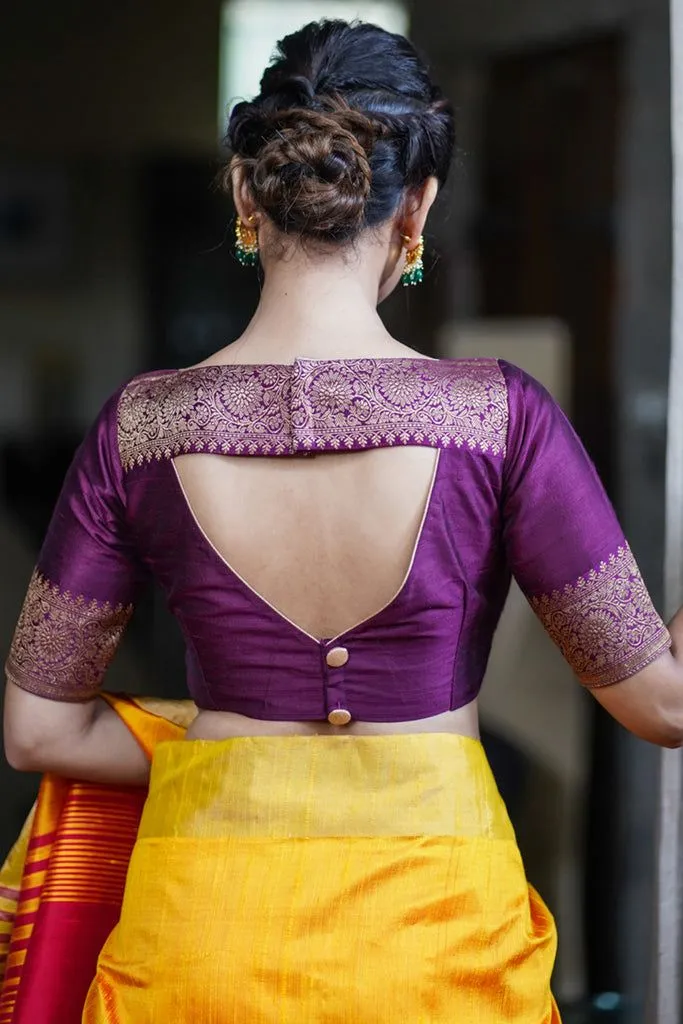
Blouse Back Neck Designs for 2026
Ask any boutique what customers care about most and the answer is the same: the back of the blouse. The back neck is the design statement, and a sharp, well-fitted back is what keeps customers coming back. Here are 30 trending blouse back neck designs for 2026, grouped so you can show them to customers in seconds and cut them without guesswork.
Simple Daily-Wear Backs (1–8)
Comfortable, quick to stitch, perfect for cotton and office sarees:
- Deep round back
- Shallow U back
- Square back
- Single-button round
- Double-button back
- Boat back
- Small keyhole
- Round with thin piping border
Party and Designer Backs (9–20)
The models customers screenshot and bring to you — they photograph beautifully and let you charge a premium:
- Tie-up/dori
- Double-dori
- Criss-cross
- Keyhole
- Diamond cut-out
- Window
- Double-window
- Teardrop cut-out
- Floral cut-out
- V cut-out
- Square cut-out
- Embellished back with latkans
Bridal and Silk Backs (21–30)
For weddings and heavy silk, accuracy matters most:
- Full maggam-work back
- Peacock motif
- Zari-border high back
- Kundan-embellished cut-out
- Deep U with stone work
- Floral embroidered back
- Temple-border back
- Antique-button back
- Mirror-work back
- Full-coverage bridal back with hanging tassels
Cut Any Back Neck to a Perfect Fit
Every design above can be stored in Fashion Dot's software, auto-graded to exact measurements, then printed or laser-cut in minutes. No more re-drafting by hand, and far less wasted fabric on expensive silk. Tailors using Fashion Dot take on more orders without adding staff.
Which Back Neck Suits Which Fabric
The same back neck behaves completely differently on cotton and on kanjivaram silk. Choosing by fabric first saves an argument at delivery.
| Fabric | Backs that work | Backs to avoid |
|---|
| Cotton, office sarees | Deep round, shallow U, square, single button | Heavy cut-outs; the edge collapses without lining |
| Soft silk, art silk | Keyhole, tie-up, double dori, window | Very deep U without a facing |
| Kanjivaram, heavy silk | High back with zari border, temple border, antique button | Criss-cross; the weight drags the strings |
| Georgette, chiffon | Round with piping, small keyhole, tie-up | Square cut-outs; the corners fray |
| Net, tissue | Full-coverage embroidered back, lined cut-outs | Any unlined opening |
| Velvet | Deep round, teardrop, embellished with latkans | Fine piping; it disappears into the pile |
When a customer brings a photo, the first question is not which design it is. It is what fabric she has bought, because that decides whether the design will hold its shape after two washes.
The Four Measurements a Back Neck Depends On
A back neck is not a free-hand shape. Four numbers decide whether it sits flat or gapes:
- Back neck depth – measured from the base of the neck straight down the spine. Daily wear sits at 5–7 inches; party backs run 9–12.
- Back neck width – shoulder point to shoulder point across the back, which fixes how wide the opening can be before the shoulder seam is undercut.
- Shoulder slope – a sloping shoulder pulls a deep back open. The same depth on two customers gives two different results.
- Cross back – taken about four inches below the neck. This is the number most often skipped, and the reason a cut-out sits crooked.
Record all four against the order, not just the depth. The next person to cut that blouse will not be able to guess the other three.
Mistakes That Ruin a Deep Back
Cutting the depth before the customer sits down
A back that fits standing can gape the moment she sits. Check the depth with the customer seated, especially above nine inches.
Skipping the facing
Cut-outs and deep U backs need a facing or a lining strip. Without it the edge rolls within a week, and the blouse looks home-stitched however good the cutting was.
Placing the hook too close to the opening
The hook needs at least an inch of firm fabric above it. Set closer, it pulls a visible pucker every time she moves.
Matching the motif after cutting instead of before
On maggam and zari work the motif has to be positioned on the pattern, not on the cut piece. Once the cloth is cut, a misplaced peacock cannot be moved.
Frequently Asked Questions
How deep can a back neck go safely?
Up to about twelve inches on a lined blouse with a proper facing. Beyond that the hook line starts carrying the whole weight and the back gapes when the customer moves.
Which back neck design sells the most?
Tie-up and keyhole backs, by a wide margin. They photograph well, suit most fabrics and are quick enough to stitch that you can offer them at a normal price.
Can the same back design be used on cotton and silk?
The shape can, the construction cannot. Silk needs a facing and often an interlining that cotton does not, so the pattern pieces are different even when the design looks identical.
How do I stop a cut-out from fraying?
Face it with the same fabric cut on the bias, and finish the edge before the blouse is assembled rather than after.
Do I need to re-measure a repeat customer?
Not if the measurements were stored against her name. That is the main reason boutiques move the measurement book onto a computer — the second blouse then fits exactly like the first.