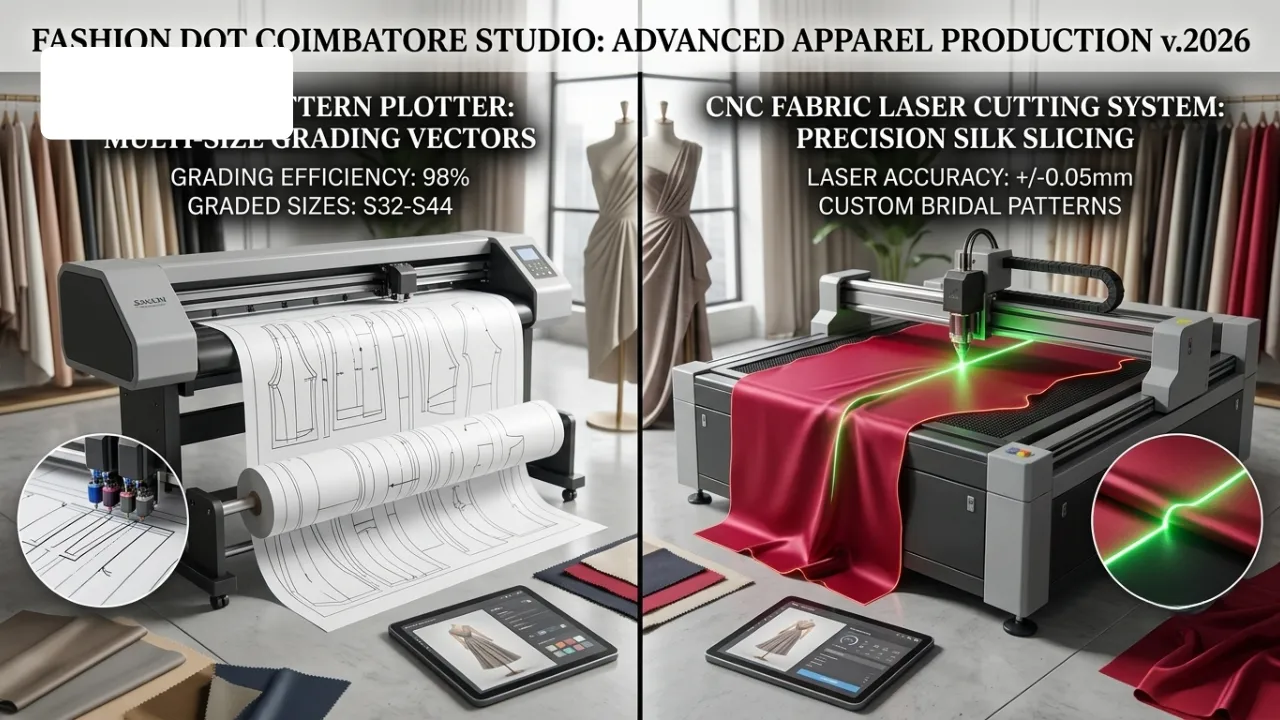
Elevating Your Production Efficiency
Once an apparel boutique or custom tailoring business makes the strategic decision to scale past manual hand-chalking and standard scissors, the very next technological question is inevitable: Laser or Plotter? Both systems integrate directly with modern digital pattern drafting software, yet their mechanical approaches, operating speeds, and workflow setups are entirely different. Choosing the wrong equipment can lead to structural logjams or unnecessary capital expenditure.
For volume work, a pattern cutting machine removes the hand-drafting step completely.
In 2026, the competitive landscape of the garment industry requires complete clarity before investing. This detailed comparison manual breaks down how each machine works, analyzing speed, material adaptability, edge finishes, and cost matrices to help you confidently select the best cutting ecosystem for your boutique brand.
How Each One Works: The Fundamental Core Mechanism
The technical dividing line between a plotter cutting machine for fabric and a laser cutting machine for tailoring centers entirely around whether the automation processes the stencils or the textile fabric itself.
Plotter-Driven Workflows
A digital pattern plotter functions as a highly accurate vector printer. It receives your custom measurements from the CAD software and draws the patterns perfectly onto heavy marker paper. From there, your master tailor places this hard paper stencil guide directly onto physical fabric layers and cuts out the components using manual shears or standard mechanical round-knife machines.
Laser-Driven Workflows
A CO2 laser system skips the stencil paper phase entirely. The computer software feeds data directly into the machine's laser head carriage. Guided by precise CNC rails, a highly focused heat beam travels over the fabric surface, slicing directly through single or stacked textile layers instantly. It eliminates the need for paper marking, chalk lining, or auxiliary hand shears.
Speed & Production Volume Analysis
Your shop's weekly order velocity should directly dictate which technical setup is more viable for your commercial production room. Because plotters still rely on manual scissors after the printing stage is finished, the overall turnaround timeline per garment remains tethered to human labor speed. If your boutique handles low-to-moderate custom volumes, a plotter offers excellent organization over chalk errors.
However, if your order intake peaks during festive seasons, the manual cutting stage becomes an immediate bottleneck. A CNC fabric cutting machine for boutique needs—specifically a laser model—eliminates the human cutting element completely. It processes curves, intricate necklines, and armholes in one single continuous pass, operating at speeds that outpace manual hand shears by up to ten times.
Edge Quality & Fabric Performance Standards
Understanding the laser vs plotter machine difference is essential when dealing with delicate textiles.
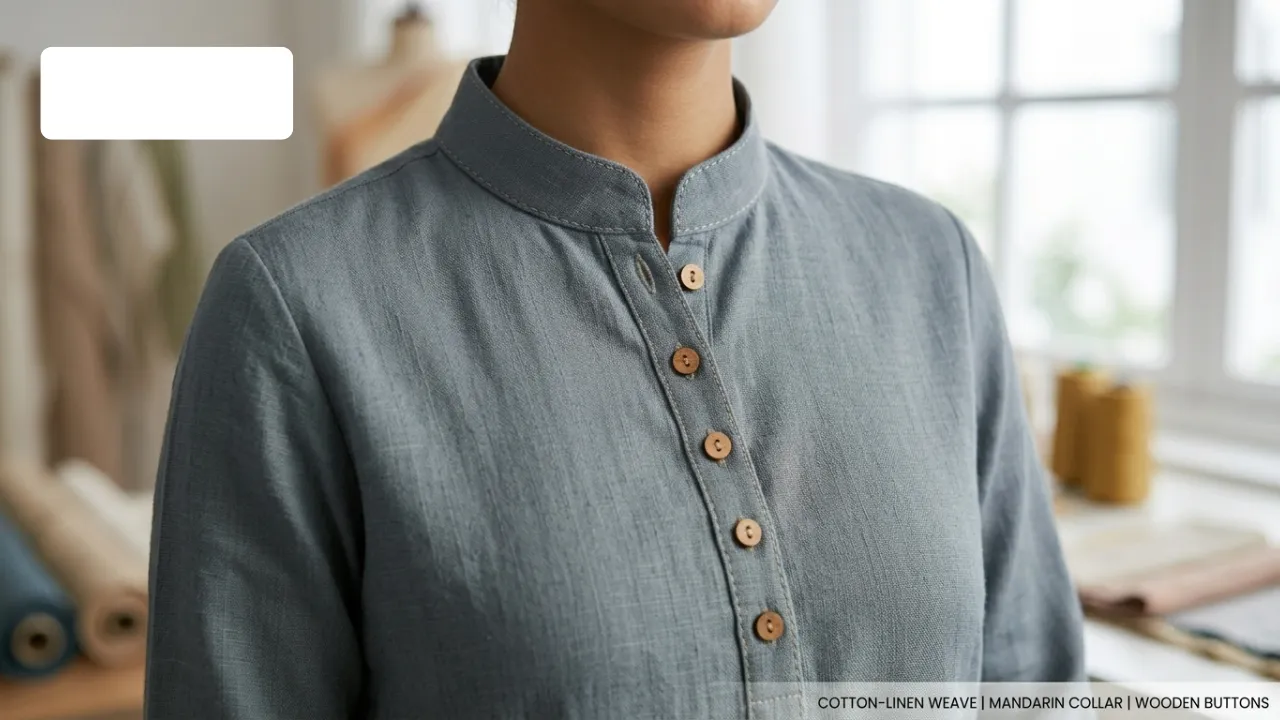
- The Laser Sealed Edge Advantage: Because a laser machine operates via intense thermal energy, it simultaneously cuts and melts the edge fibers of synthetic fabrics, poly-blends, and premium silk weaves. This micro-fusion process creates a completely sealed, fray-free edge.
- The Plotter Mechanical Approach: Paper plotters print guides for any fabric type imaginable—including heavy denims, premium cottons, and leathers—with zero thermal risk. However, the eventual edge quality rests on the precision of the tailor wielding the shears.
Which System Should a Boutique Choose?
To make your decision-making framework transparent, consider these factors when looking into boutique automation machines 2026:
Operational Metrics | The Plotter Solution | The Laser Solution |
|---|
Boutique Profile | Low-to-moderate volume; starting boutiques | High-volume designer lines; bridal houses |
|---|
Primary Fabric | Natural fibers, cotton, linen | Silks, synthetics, nets, bridal wear |
|---|
It is common for rapidly growing boutique networks to operate both systems side-by-side. They utilize digital plotters to print fast prototyping patterns for sample trial fits, while routing high-volume silk panels through their automated flatbed laser cutters for final production runs.
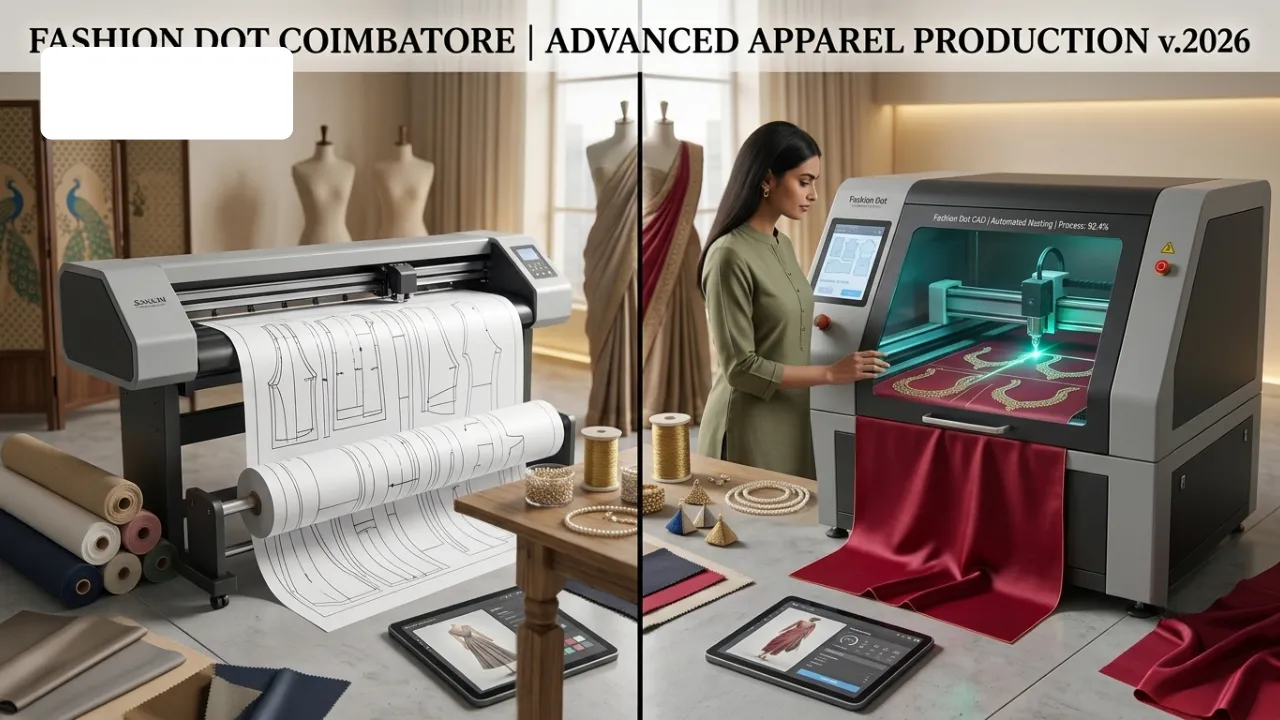
With fabric cutting software, the pieces are laid out to waste as little cloth as possible before a single cut is made.
Build Your Perfect Production Ecosystem
Ready to take complete control over your workshop fit consistency? Fashion Dot offers India's premier integrated apparel technology ecosystem, delivering proprietary CAD design software, heavy-duty plotters, and the best cutting machine for tailoring business owners who refuse to compromise on quality. With a nationwide network of 5 service branches, we provide elite training and support to keep your production line flawless.
[Schedule Your Free Live Technical Consultation & Demo Today]